How to prevent frozen pipes in Covina winter
Covina winters can dip below freezing at night. Learn how to prevent frozen pipes in Covina winter with insulation, drip faucets, and emergency thawing tips from local plumbers.
You can prevent frozen pipes in Covina winter by insulating exposed pipes, dripping faucets on nights below 32°F, and sealing crawlspace vents before the first hard freeze. Most Covina homes freeze not because it gets cold enough to crack pipes outright, but because the pipes sit in unheated attics, garages, and exterior walls that drop below freezing for hours at a time.
Covina sits in the San Gabriel Valley, where winter nights routinely hit the low 30s and occasionally dip into the high 20s. That is cold enough to freeze a poorly insulated pipe. This guide covers why Covina freezes differently than the rest of LA County, the exact steps to winterize your home pipes, and what to do if a pipe freezes anyway.
Why Covina pipes freeze when the rest of LA stays warm
Covina pipes freeze because the city sits at the base of the San Gabriel Mountains, where cold air drains downhill at night and settles over neighborhoods like Charter Oak and the streets near Cypress Park. Downtown LA might stay at 45°F while Covina drops to 30°F on the same night.
Most Covina homes were built between the 1950s and 1980s, and builders ran a lot of plumbing through unheated attics and exterior walls. Those pipes have little or no insulation. When the temperature drops below freezing for four or five hours, the water inside them starts to expand.
We see this every January. Homeowners call us about a burst pipe in the attic or a split copper line behind the kitchen wall, and they are surprised because they thought Covina never got cold enough for that. It does. The difference between a frozen pipe and a burst pipe is usually just how long the cold lasts.
If you have ever dealt with a hidden leak from a cracked pipe, you know how fast the damage adds up. Our team handles leak detection covina CA for exactly this kind of situation, and we can usually tell within minutes whether a pipe froze or something else failed.
What temperature do pipes freeze in Covina?
Pipes freeze at 32°F, but the real risk starts when the outdoor temperature stays at or below 28°F for four or more hours. That is the threshold where water inside an uninsulated pipe in an attic or exterior wall will turn to ice.
Wind matters too. A 30°F night with 15 mph winds pulls heat out of exposed pipes faster than a still 28°F night. The wind chill does not change the water temperature directly, but it accelerates heat loss through pipe walls.
Here is what we tell Covina homeowners to watch for:
- 32°F or below for 2+ hours: drip your faucets, especially on exterior walls.
- 28°F or below for 4+ hours: open cabinet doors under sinks and check your crawlspace vents.
- 25°F or below for 6+ hours: this is when we see the most burst pipes in Covina, especially in older homes with attic plumbing.
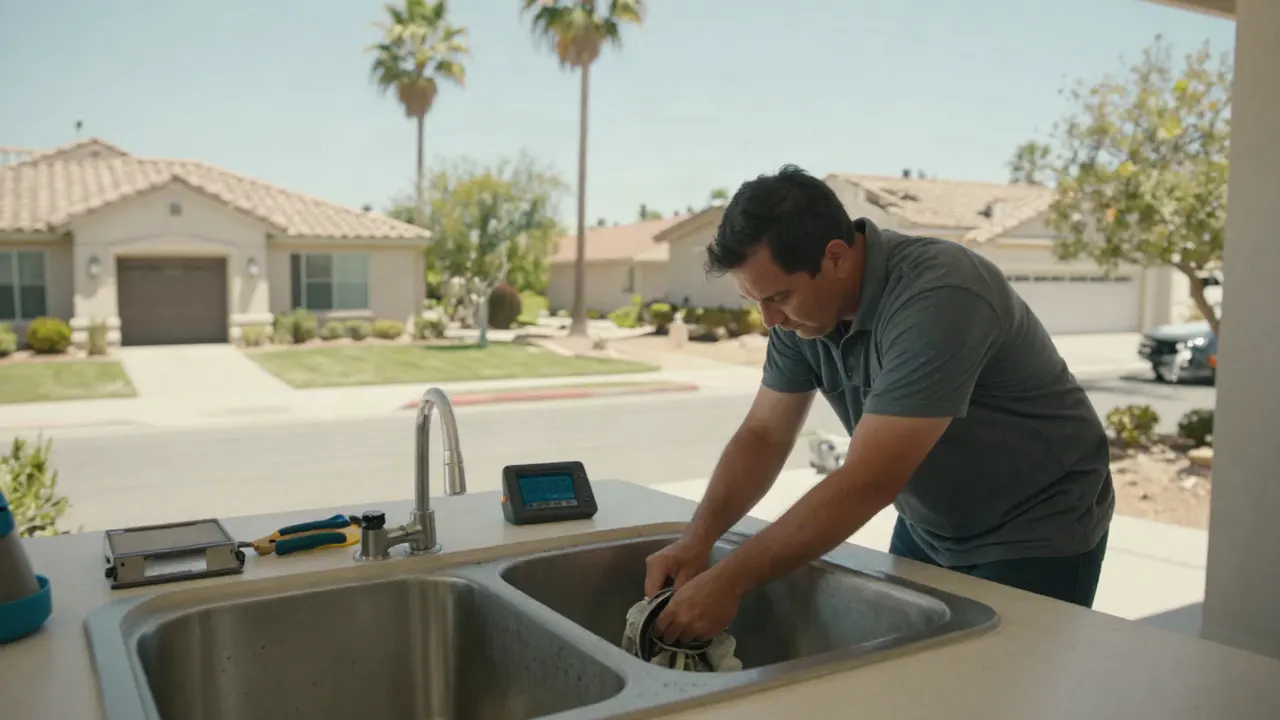
A $15 wireless thermometer placed in your attic or garage tells you more than the weather app on your phone. The forecast is for the airport. Your attic is its own climate.
How to prevent frozen pipes in Covina winter: 7 steps that work
Preventing frozen pipes in Covina winter comes down to keeping heat around the pipes and keeping cold air out of the spaces where they run. These are the seven steps we walk homeowners through every fall.
1. Insulate exposed pipes in attics, garages, and crawlspaces
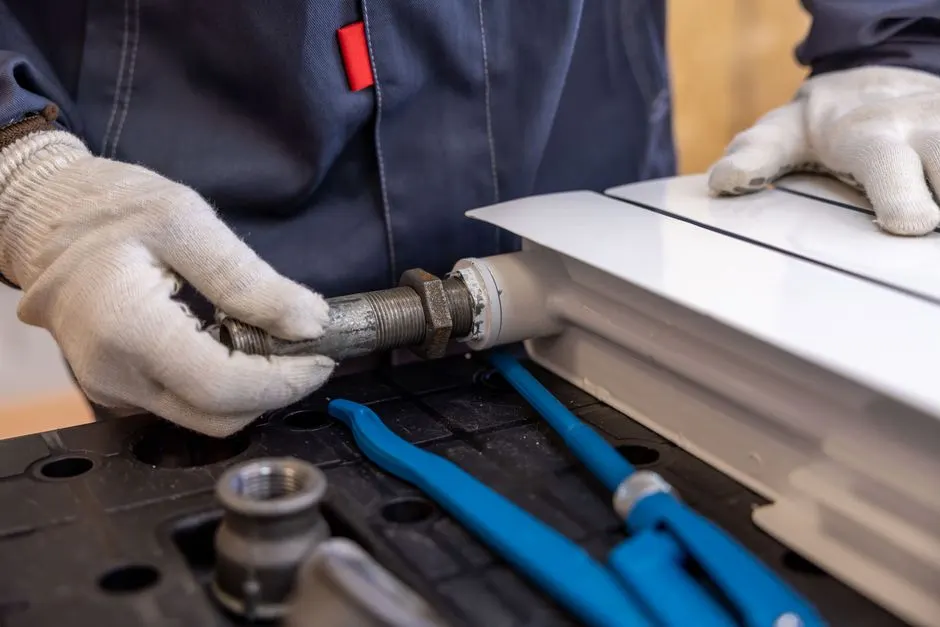
Foam pipe sleeves cost about $2 to $4 per six-foot section at any Covina hardware store. Wrap every pipe you can reach in the attic, garage, and under the house. Pay special attention to elbows and T-joints, where ice forms first.
2. Seal crawlspace vents and foundation gaps
Most Covina crawlspaces have open foundation vents that let cold air pour in all winter. Cover them with foam board or vent covers in November and leave them up through February. Seal any gap around pipes where they pass through the foundation with expanding foam.
3. Disconnect garden hoses and shut off exterior spigots
A hose left connected to a spigot traps water in the pipe behind the wall. Disconnect every hose by Thanksgiving, then shut off the interior valve that feeds your exterior spigots and open the spigot to drain the line.
4. Insulate the water heater and pipes in the garage
If your water heater sits in the garage, the cold water line feeding it is exposed to the same overnight temperatures as the outside air. Insulate that line and the first few feet of the hot water outlet. If your heater is older and struggling, our water heater repair covina CA team can check it before the cold hits.
5. Let warm air reach the pipes under sinks
Open the cabinet doors under kitchen and bathroom sinks on cold nights. This is especially important for sinks on exterior walls. The warm air from your home keeps those pipes above freezing.
6. Keep your thermostat steady, day and night
Do not drop the thermostat to 55°F overnight to save money. Keep it at 65°F or higher during a cold snap. The few dollars you save are nothing compared to a $1,200 repair bill for a burst pipe.
7. Know where your main shutoff valve is
If a pipe does burst, you have about 60 seconds to stop the water before it soaks drywall and insulation. Find your main shutoff now, tag it, and make sure everyone in the house knows how to turn it.
If you are not sure your pipes can handle another cold snap, our team offers pipe repair covina CA inspections that catch weak spots before they fail. We check insulation, look for corrosion, and tell you what actually needs attention.
Should I drip faucets to prevent freezing in Covina?
Yes, you should drip faucets in Covina when the overnight low is forecast at 32°F or below. A slow drip relieves pressure inside the pipe and keeps water moving, which makes it much harder for ice to form a full blockage.
The drip does not need to be a stream. A pencil-thin trickle is plenty. Run the drip on the faucet farthest from where your water line enters the house, and if you have sinks on exterior walls, drip those too.
Both hot and cold lines can freeze, so open both handles a quarter turn. You do not need to drip every faucet in the house, just the ones on exterior walls and the one at the end of the run.
One more thing: a dripping faucet only helps if the pipe has not already frozen. If you turn the handle and nothing comes out, stop dripping and move to the thawing steps below.
How to thaw frozen pipes in Covina CA safely
To thaw frozen pipes in Covina CA, start by opening the nearest faucet so melting water has somewhere to go, then apply gentle heat to the frozen section with a hair dryer, heat lamp, or wrapped towels soaked in warm water. Never use an open flame.
Work from the faucet end of the pipe back toward the frozen section. If you start in the middle, the ice can trap steam and pressure between the thaw point and the closed faucet, which is how pipes split.
Here is the sequence we use:
- Open the faucet that serves the frozen line.
- Locate the frozen section. It will be frosty or slightly bulged.
- Apply heat with a hair dryer on low, moving constantly.
- Keep going until water flows at full pressure.
- Check for leaks once the line is clear.
If you cannot find the frozen section, or if the pipe is inside a wall or under a slab, stop and call us. Our emergency plumbing covina CA team handles frozen pipe calls all winter, and we can thaw the line without cutting into your drywall unless it is absolutely necessary.
Common mistakes Covina homeowners make with frozen pipes
The biggest mistake we see is using a propane torch or heat gun on a frozen pipe. That is how you turn a frozen pipe into a house fire. Copper and PEX both fail fast under direct high heat.
Other mistakes we run into every winter:
- Leaving the hose connected. Water trapped in the hose and spigot freezes and splits the pipe behind the wall.
- Closing cabinet doors at night. This traps cold air around the pipes instead of letting room heat reach them.
- Turning the heat way down before a trip. If you leave for the holidays, keep the thermostat at 60°F minimum.
- Ignoring a slow drain. A partially clogged line freezes faster because there is less room for water to move. If your drains are slow going into winter, get drain cleaning covina CA before the first freeze.
- Assuming newer homes are safe. We see frozen pipes in 1990s builds too, especially where the builder ran a line through an uninsulated attic corner.
One more: do not pour boiling water down a drain to thaw a trap. It can crack porcelain and PVC. Use warm water, not boiling.
When to call a professional for frozen pipe repair in Covina
Call a professional when you cannot find the frozen section, when the pipe has already burst, or when the frozen line runs through a slab or inside a finished wall. Those are jobs for a licensed plumber with the right tools.
We handle frozen pipe repair in Covina every winter, and the calls break down into three categories: thawing a line that is still intact, repairing a pipe that split, and drying out a home where a pipe burst while the owner was at work.
If you are not sure which one you have, call us and describe what you are seeing. We can usually tell you over the phone whether it is a DIY thaw or a same-day service call. Our team serves homeowners across the San Gabriel Valley, and we know the specific pipe layouts in Covina's older neighborhoods.
If your home has had repeated freeze problems, it may be worth looking at the bigger picture. Our repiping services covina CA team can replace vulnerable sections with insulated PEX and reroute lines out of unheated spaces.
Frequently Asked Questions
How do I prevent frozen pipes in Covina winter?
Insulate exposed pipes in attics, garages, and crawlspaces, seal foundation vents, disconnect garden hoses, and drip faucets on nights below 32°F. Keep your thermostat at 65°F or higher during cold snaps. These steps cover 90% of the freeze risk in Covina homes.
What temperature do pipes freeze in Covina?
Pipes freeze at 32°F, but the real danger starts at 28°F for four or more hours. Covina winter nights regularly hit the low 30s, and the city's position near the San Gabriel Mountains means it runs colder than most of LA County.
How do I thaw frozen pipes in Covina CA?
Open the nearest faucet, then apply gentle heat with a hair dryer or warm towels, working from the faucet back toward the frozen section. Never use a torch or open flame. If water does not flow within 30 minutes, call a plumber.
Should I drip faucets to prevent freezing in Covina?
Yes, when the overnight low is 32°F or below. A pencil-thin trickle on exterior-wall faucets relieves pressure and keeps water moving. Drip both hot and cold lines, and open cabinet doors so warm air reaches the pipes.
How much does frozen pipe repair cost in Covina?
Thawing a frozen line typically runs $150 to $350. Repairing a burst pipe starts around $500 and can exceed $1,500 if the pipe is inside a wall or slab. Typical 2026 pricing in this area reflects those ranges.
Get help with plumbing in Covina
If a pipe freezes or bursts this winter, we can be at your door the same day. Covina Citrusline Plumbing handles frozen pipe repair, thawing, and winterization across Covina and the surrounding San Gabriel Valley.
Call us at (626) 767-2111 and we will get your water flowing again.